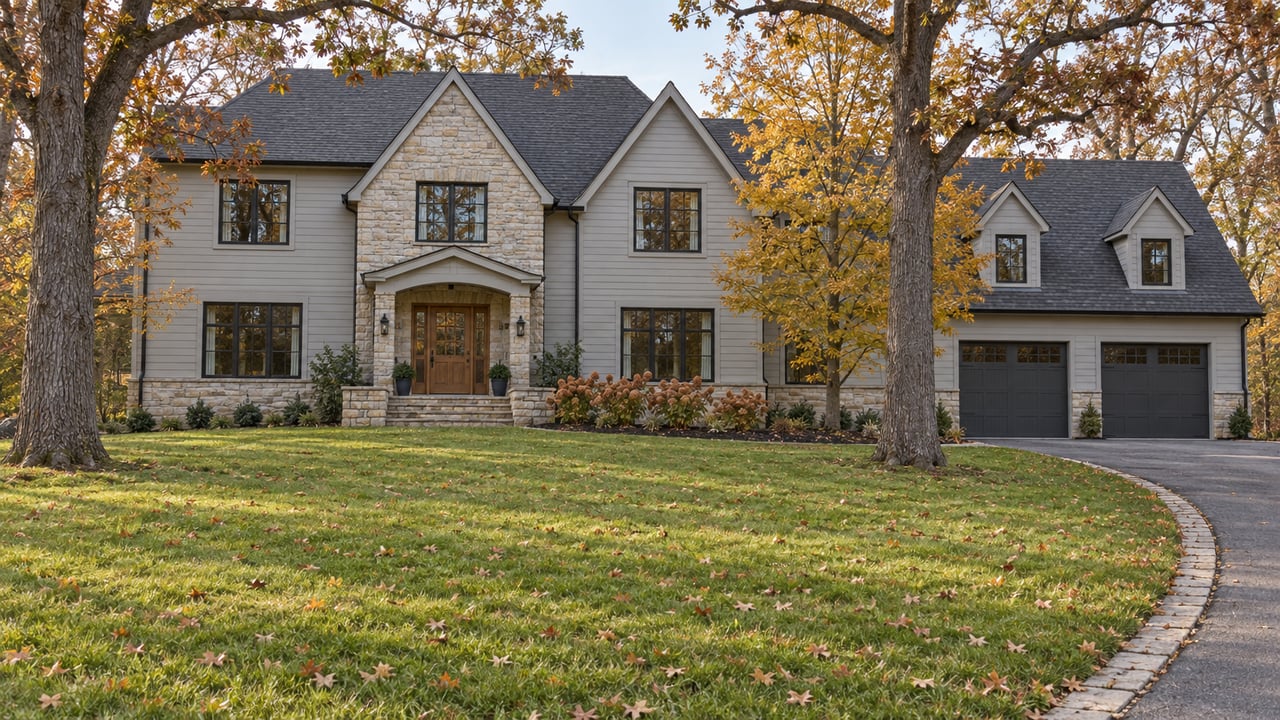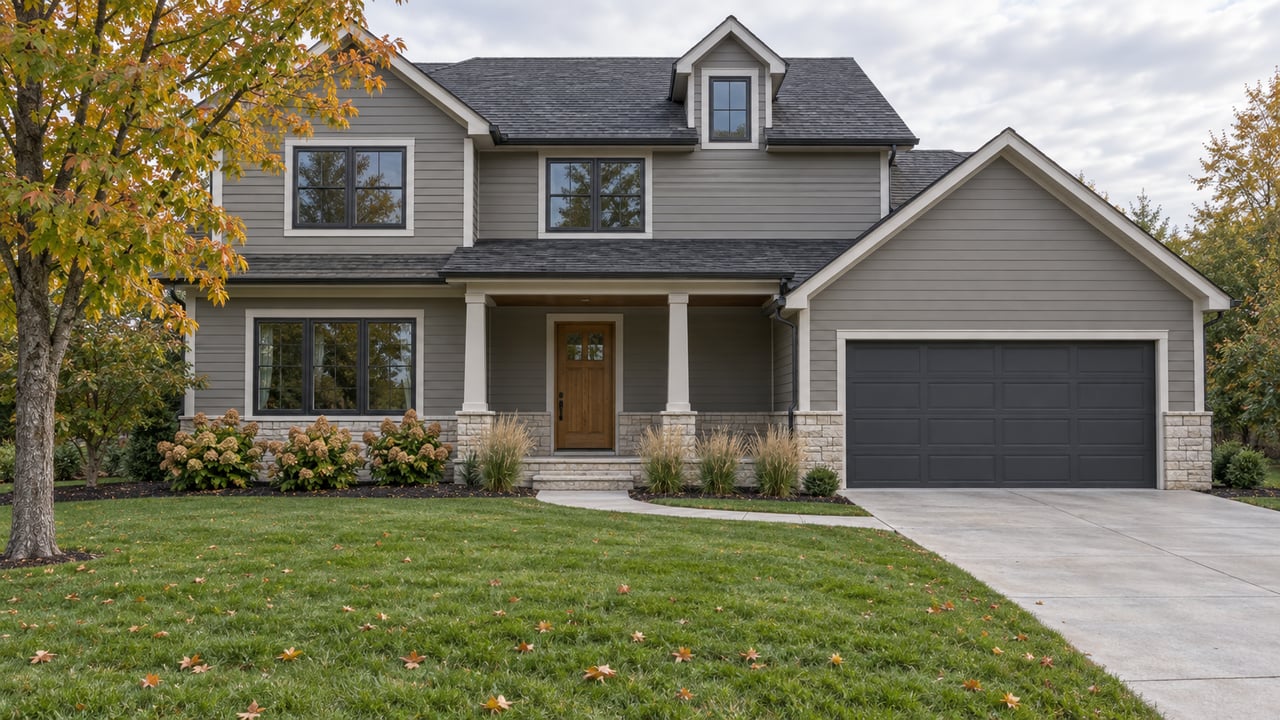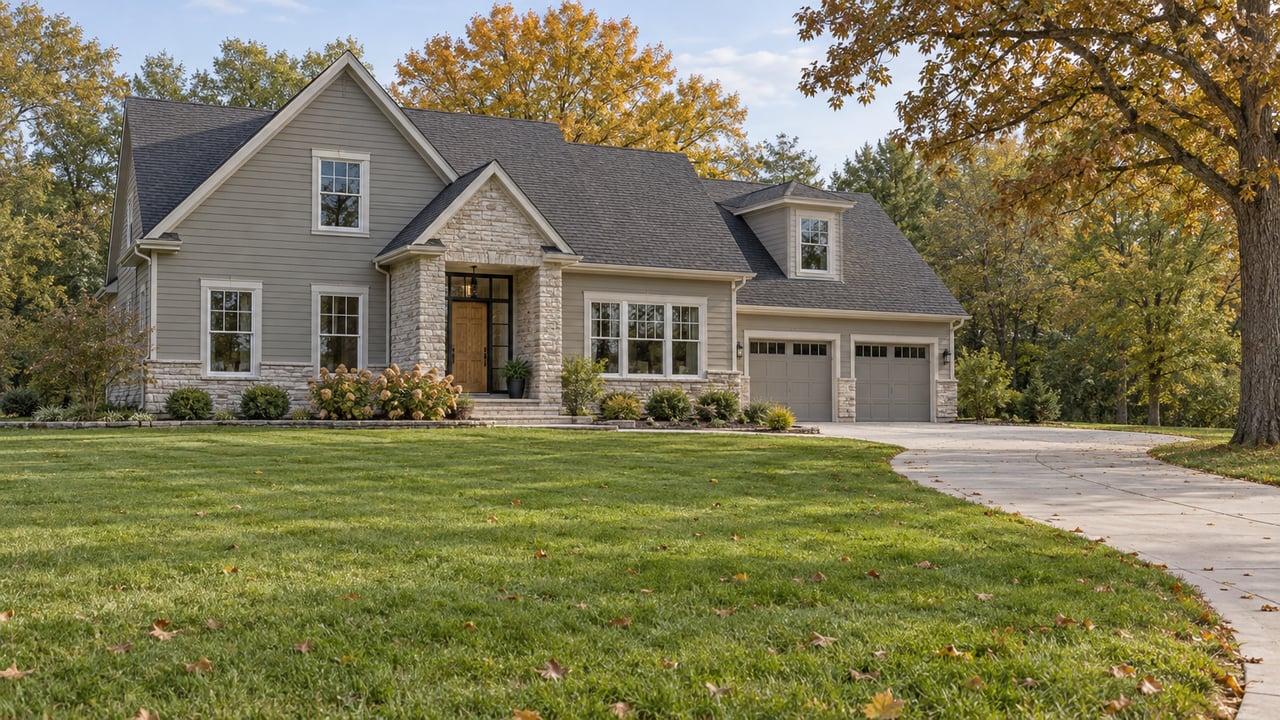
On a large parcel in northern Credit River, the number that matters most is the date city water and sewer arrive, and acreage counts for less. Most of the city's land north of roughly County Road 21 sits in the Urban Expansion Reserve, or UER. In that district the zoning allows one dwelling per 40 acres, sets a 40-acre minimum lot size, and blocks further subdivision until municipal utilities can serve the property.
Buyers can miss this. A 45-acre parcel looks like room for a family compound or a few future lots. Under current rules it supports one home. In 2026 the city considered opening a very small exception, and that proposal is still unresolved.
What the Urban Expansion Reserve Allows Today
According to Credit River's zoning text, the UER exists to hold land the city has identified for logical future urban growth served by public utilities. Until then, uses stay at very low rural density or in clusters that can fit into later development.
| Question a buyer asks | What the UER rules say |
|---|---|
| How many homes per parcel? | One dwelling per 40 acres or quarter-quarter section |
| Minimum lot size? | 40 acres |
| Can a parcel under 40 acres keep its home? | Yes, one single-family home per existing parcel of record |
| Can I split off lots now? | Not until municipal water and sanitary sewer are available |
| Can I add a large outbuilding? | Possibly, through the city's permit process |
The table comes from two city documents. One is the base UER standards in the city's subdivision and zoning ordinance. The other is a 2023 city staff report, which said the city protects its long-term sewer area by keeping undeveloped and underdeveloped parcels in the UER. That "restricts development to one single-family home per existing parcel of record," and "further subdivision or intensification of use is not permitted until municipal water and sanitary sewer services are available for connection to a given property."
Many UER homesites are much smaller than 40 acres. In the fall of 2025, the Planning Commission reviewed a conditional use permit for a UER property of about 10.6 acres that already had a single-family home and accessory buildings. The application was for a 3,500-square-foot pole barn taller than the house. City planning staff found that it met the accessory structure requirements for the district and recommended approval with conditions. On a UER parcel, you can often add a building. You can't add a homesite.
The Rule Is Older Than the City
UER zoning wasn't invented at a recent council meeting. The 2023 staff report says the area "has been guided Urban Expansion by Scott County since at least 2001 and continuing through today," and Credit River carried that guidance into the comprehensive plan it adopted in 2020.
The reason is regional. The same report places this land inside the Metropolitan Council's long-term service area. Within that area, the city must stage sewered development through 2040 and protect the rest for "economical future sewered development past 2040." Credit River's 2040 comprehensive plan splits the city into two parts. The southern part is guided Rural Residential. The northern part is Diversified Rural and lies within the long-term regional wastewater service area. The plan puts the dividing line just south of County Road 21 and notes that the northern area borders Savage, Lakeville, and Prior Lake.
The plan quotes a Met Council policy for Diversified Rural areas that allows growth up to four units per 40 acres. The same policy calls for preserving land for cost-effective urban infrastructure after 2040 and for avoiding early demand for urban services. Credit River's UER is stricter than that regional ceiling. That gap explains why density keeps returning to the council agenda.
The regional label has also changed. The Met Council's community page for Credit River under its Imagine 2050 plan now lists the city as Rural Residential and Suburban Edge, the suburban side the 2040 plan said the city expected to seek for its northern area.
Two Attempts to Loosen It, and Where Each Stopped
The city has examined the 40-acre rule twice in the last two years. Each attempt ended without a change.
- January 2025, the density study. The council reviewed proposals from its engineering, planning, and financial consultants for a study of changing UER density from one home per 40 acres to four per 40. The three proposals totaled $21,500. According to the January 21, 2025 minutes, councilmembers discussed whether infrastructure costs could be recovered from the landowners who benefit and whether enough was known about future development to justify the study. They took no vote.
- April 2026, the one-acre exception. City staff proposed Ordinance 2026-03. The Planning Commission held a public hearing at its April 16 meeting, heard no public comments, and recommended approval 4–0.
- May 4, 2026, tabled. A council motion to deny the ordinance failed 2–2. The council then voted 3–1 to table it so staff could consult Scott County Environmental about wastewater. The City Attorney said approval would also require a Comprehensive Plan amendment.
- May 18, 2026, pulled. At the start of the next meeting, the City Administrator asked that the UER amendment be removed from the agenda. The revised agenda passed 5–0.
As of October 2026, the city's adopted ordinance list includes Ordinances 2026-04, 2026-05, and 2026-06 but skips 2026-03. The UER amendment still appears on the city's proposed ordinances page. The Met Council's page shows no active 2050 comprehensive plan amendment for Credit River. A draft copy of the ordinance on the city's website has an "adopted" signature line dated May 4. The meeting minutes record that the item was tabled that night.
How Small the Proposed Exception Was
The ordinance text shows how cautious the proposal was. Even if adopted, it would have opened only a narrow door. The key language reads:
"a parcel of record containing at least forty-one (41) acres may be subdivided one (1) time to create a single additional residential lot of not less than one (1) acre"
The conditions in the ordinance draft are strict. The new lot must already contain a home. It must support a septic system with both a primary site and a designated replacement site. The remaining 40 or more acres must be platted as an outlot or other non-buildable tract and kept from further residential subdivision "until the time that water and sewer facilities are available." The new lot also can't block the future extension of utilities, streets, or planned urban development.
According to the May 4 council minutes, City Planner Stickler explained the purpose at that meeting. The existing rules make it hard for owners of large parcels to create "a single rural homesite for an existing residential unit without significantly impacting the long-term development potential of the property." Staff and the City Attorney said the change was meant to address several legacy properties.
The exception would not have added a buildable lot. It would have separated an existing house from the farmland around it, perhaps so an owner could sell one and keep the other. Even that narrower step is still waiting on the wastewater question.
What Actually Unlocks the Land
Sewer and water unlock UER land. Credit River's 2040 wastewater chapter calls the northern study area "Future Seneca Plant" and says no public sanitary sewer there connects to the regional system yet. It describes two proposed connections to the Savage Interceptor. One is near County Road 27/44, and the other is at Hampshire Avenue on the Savage border. Service would be phased from north to south. The water plan names Savage, Prior Lake, and Lakeville as possible interconnect partners and expects development to happen first near Savage.
The city's planning documents set no arrival date. They do set an order, and the order matters to buyers. When utilities come, they're planned to reach the parcels closest to Savage first.
Meanwhile, the South Keeps Building
South of the UER, development continues under rural rules. Cardinal Pass Second Addition went through preliminary plat review in 2026, with construction access planned from Texas Avenue. At the June 1 council meeting, the City Attorney said work could not begin until the development agreement was executed and approved. In March, the council packet proposed accepting the infrastructure at The Ranch of Credit River, where the engineer reported the CSAH 91 turn lanes were substantially complete in fall 2024. Smaller rearrangements continue as well. The Planning Commission recommended approval of the Simonette Addition preliminary plat in February 2026, which reorganized three existing parcels into two lots.
The result is a city with two land markets. In the south, rural subdivisions move through the normal plat process. In the north, large parcels are held in reserve for a sewer line that is planned but not yet scheduled.
Questions Acreage Buyers Ask
Can I buy 40 acres in the UER and build a second home for family? The UER standards in the city's subdivision and zoning ordinance allow one dwelling per 40 acres, and the standards make no exception for family use. For a specific parcel, the City of Credit River is the place to confirm.
Is a 10-acre UER parcel nonconforming? It's below the 40-acre minimum, but the 2023 city staff report describes the UER as allowing one single-family home per existing parcel of record. The 2025 pole barn permit shows that accessory buildings may be allowed through the city's permit process.
Is the one-acre split rule in effect? No. Ordinance 2026-03 was tabled in May 2026 and does not appear on the city's adopted ordinance list.
This post is general information about published city rules. It is not legal, tax, or financial advice, so please confirm what applies to a specific parcel with the City of Credit River and your own attorney.
If you're looking at a large parcel north of County Road 21, or you own one and are thinking about what comes next, I'm happy to go through the zoning, the utility plans, and the timing questions with you before you decide. Jen Azure brings associate-broker experience to acreage conversations like this one, with patience and discretion. Let's Connect.